How Students Celebrate Hispanic Heritage Month in Virtual Private School
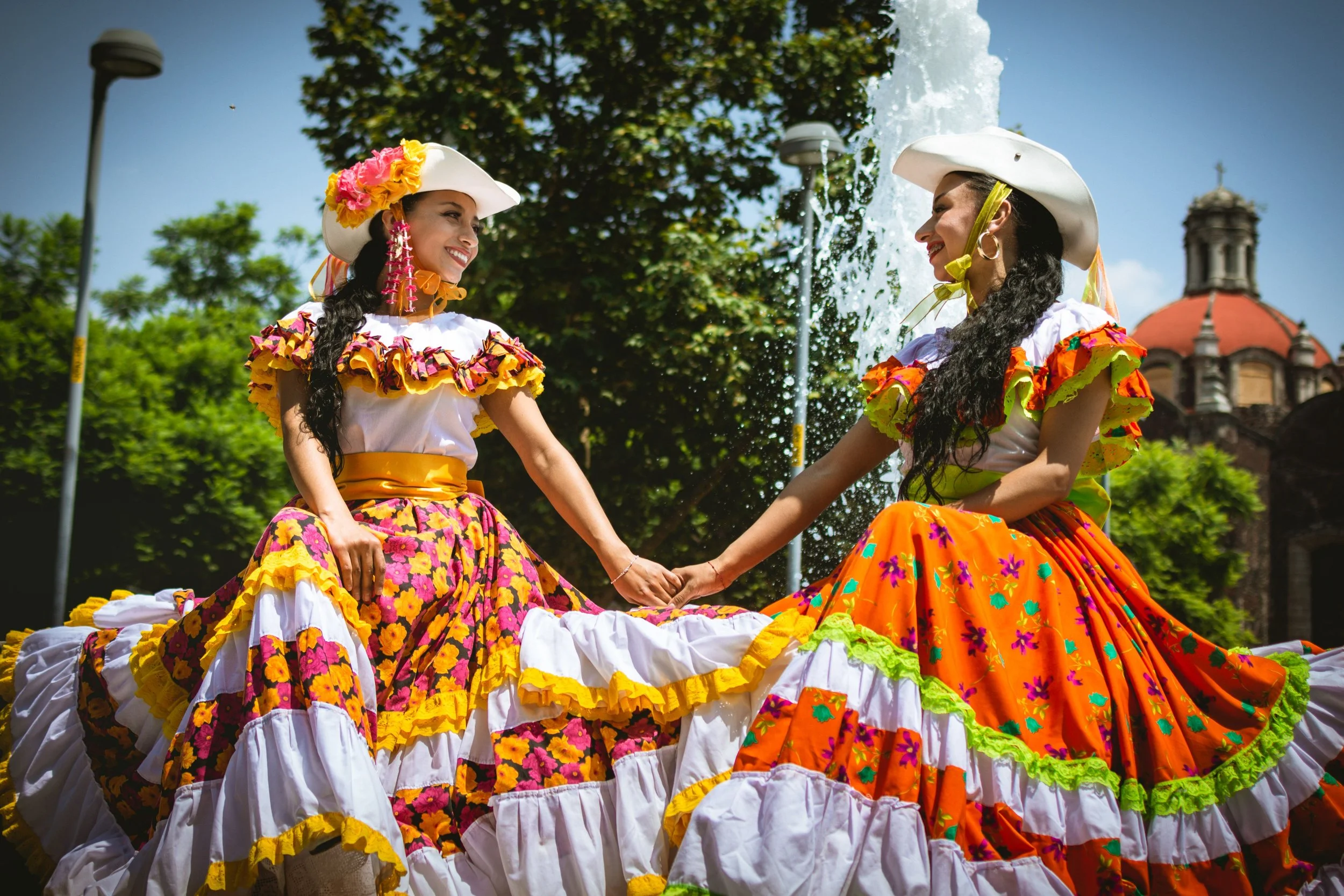
Every year from September 15 through October 15, communities across the country pause to celebrate Hispanic Heritage Month, A chance to recognize the history, culture, and contributions of Hispanic and Latino Americans. For our virtual school families, it's also a wonderful opportunity to bring culture and connection right into the home learning space, no matter where you're logging in from.
Whether your family has deep Hispanic or Latino roots, is exploring these traditions for the first time, or simply loves a good reason to try a new recipe or read a new book together, this month offers something for everyone. Here's the history behind the month, plus practical, low-lift ways to celebrate.
When Is Hispanic Heritage Month, and Why Does It Start Mid-Month?
Hispanic Heritage Month runs from September 15 to October 15 every year, and it starts mid-month on purpose. September 15 marks the independence anniversary of five Central American nations — Costa Rica, El Salvador, Guatemala, Honduras, and Nicaragua — with Mexico's independence day following on September 16 and Chile's on September 18.
What started in 1968 as a single week, signed into law under President Lyndon B. Johnson, was expanded to a full month in 1988 under President Ronald Reagan. The month also includes Día de la Raza, observed October 12, adding another layer of cultural recognition to the celebration.
Why Does Hispanic Heritage Month Matter for Virtual School Families?
Hispanic Heritage Month matters because representation and belonging directly support how students engage with school — and virtual learners benefit just as much from cultural connection as their in-person peers. With more than 68 million Hispanic Americans nationwide as of 2024, chances are this month resonates with someone in your student's classroom, teaching team, or extended community — even in a virtual setting.
For families celebrating their own heritage, this month is a chance to make that identity visible and celebrated at home. For every other family, it's an invitation to learn, ask questions, and build empathy — one of the quiet but powerful benefits of a values-driven school community.

Hispanic Heritage Month Across the Stellar Virtual Network
Hispanic Heritage Month looks a little different depending on where a family logs in from — and that variety is worth celebrating. Texas and Arizona are home to two of the largest Hispanic populations in the country, while Tennessee has seen one of the fastest-growing Hispanic communities of any state over the last two decades. That range means our students bring genuinely different regional traditions, foods, and family histories to the same virtual classroom.
A few ways that shows up across our sites:
Texas and Arizona families often celebrate alongside multigenerational Tejano and Sonoran traditions that predate statehood itself — Hispanic heritage in these regions isn't a recent chapter, it's foundational history.
Tri Star (Tennessee) is part of one of the fastest Hispanic-population-growth stories in the country over the last twenty years, with a vibrant, newer community centered in and around Nashville.
Wherever your family logs in from, we'd love for this month to be a chance to learn something new about the communities that make up our whole network, not just your own corner of it.
How Can Families Celebrate Hispanic Heritage Month at Home?
The easiest way to celebrate is to build small, consistent moments into your normal week rather than trying to plan one big event. A few ideas our families love:
Cook together. Try a hands-on recipe like Salvadoran pupusas (stuffed corn tortillas), Venezuelan arepas (grilled corn cakes), or Argentinean chimichurri over grilled meat — all approachable dishes families can make together in an afternoon. Check out the National Museum of the American Latino for more recipes.
Build a family music playlist. Explore salsa pioneer Celia Cruz, trombonist Willie Colón, or "Queen of Tejano" Selena, and research where each style originated.
Watch a documentary or age-appropriate film. Follow it with a short family discussion: what surprised you? What did you learn? Check out Hispanic Heritage Month Resources for video resources.
Read books by Hispanic and Latino authors, or explore the life story of important figures: from labor-rights leaders astronaut Dr. Ellen Ochoa or novelist Sandra Cisneros. Rotate titles by age group throughout the month.
Learn a few words or phrases. Even basic greetings in Spanish can spark curiosity and open the door to bigger conversations about language and culture.
Share your own story, if it's part of your family's heritage. Personal stories — a grandparent's journey, a family recipe passed down, a favorite tradition — often stick with kids more than any worksheet.
Community Ideas for Virtual Learners
Because virtual school doesn't have a shared hallway bulletin board, celebration has to be a little more intentional and that's okay. Consider:
Joining or starting a virtual show-and-tell where students share a family tradition, dish, or story tied to their heritage
Attending a local festival, market, or community event — check local listings for Hispanic Heritage Month celebrations happening in Iowa communities this fall
Following Hispanic-owned businesses or creators in your area as a family

Justice Sonia Sotomayor of the United States Supreme Court
Recommended Reads by Age Group
A great book is one of the simplest ways to bring this month to life:
Elementary: picture books celebrating family, food, and bilingual storytelling, or a simple introduction to a figure like Selena or baseball great Roberto Clemente
Middle grades: biographies of trailblazers such as Dr. Ellen Ochoa (the first Latina in space), Olga Custodio (the first Latina U.S. military pilot), or labor leaders like Dolores Huerta
High school: memoirs and coming-of-age novels exploring identity, immigration, and cultural heritage — Sandra Cisneros is a great starting point, alongside profiles of important figures like Supreme Court Justice Sonia Sotomayor
Ask your student's teacher for specific recommendations. Many keep a running list ready to go for heritage months just like this one.
Frequently Asked Questions
Why doesn't Hispanic Heritage Month start on the first of the month?
It begins September 15 to align with the independence days of several Latin American nations, making the mid-month start historically meaningful rather than arbitrary.
Is Hispanic Heritage Month only for Hispanic and Latino families?
Not at all. While it's a meaningful time of recognition for Hispanic and Latino families, it's also an open invitation for the whole school community to learn, celebrate, and build cultural understanding together.
What's a simple way to get started if we're new to these traditions?
Start with food or music — they're approachable, hands-on, and naturally spark conversation without requiring any special expertise.
A Month to Celebrate, A Community to Belong To
Hispanic Heritage Month is a wonderful reminder that learning happens far beyond the lesson plan, It happens in the kitchen, in a shared playlist, in a story passed down at the dinner table. Across our whole network, from Texas and Arizona to Tennessee, we hope this month brings a little more connection, curiosity, and pride into every family's home learning routine.