
How Personalized is a Private Virtual School?
If you're paying tuition instead of enrolling in a free public virtual school, what you're really asking is: will my student actually get individual attention, or just a smaller version of the same thing? That's a fair question before you commit to a bill.
At SVPS, the answer is that personalized attention isn't a perk, it's the product. A smaller class size is simply what makes it possible. Teachers plan around individual students instead of a roster, feedback is specific instead of generic, and families across our highest-enrollment states — Arizona, Tennessee, and Texas — feel that difference in how their student is actually taught, not just in class-size marketing copy.
What Personalized Attention Actually Buys
Personalized attention means a teacher shapes instruction, pacing, and feedback around one student — not the other way around. That's the standard SVPS is built on, made concrete:
Individualized pacing — students move through material at a pace that fits them, not a fixed calendar built for the median student in a large class.
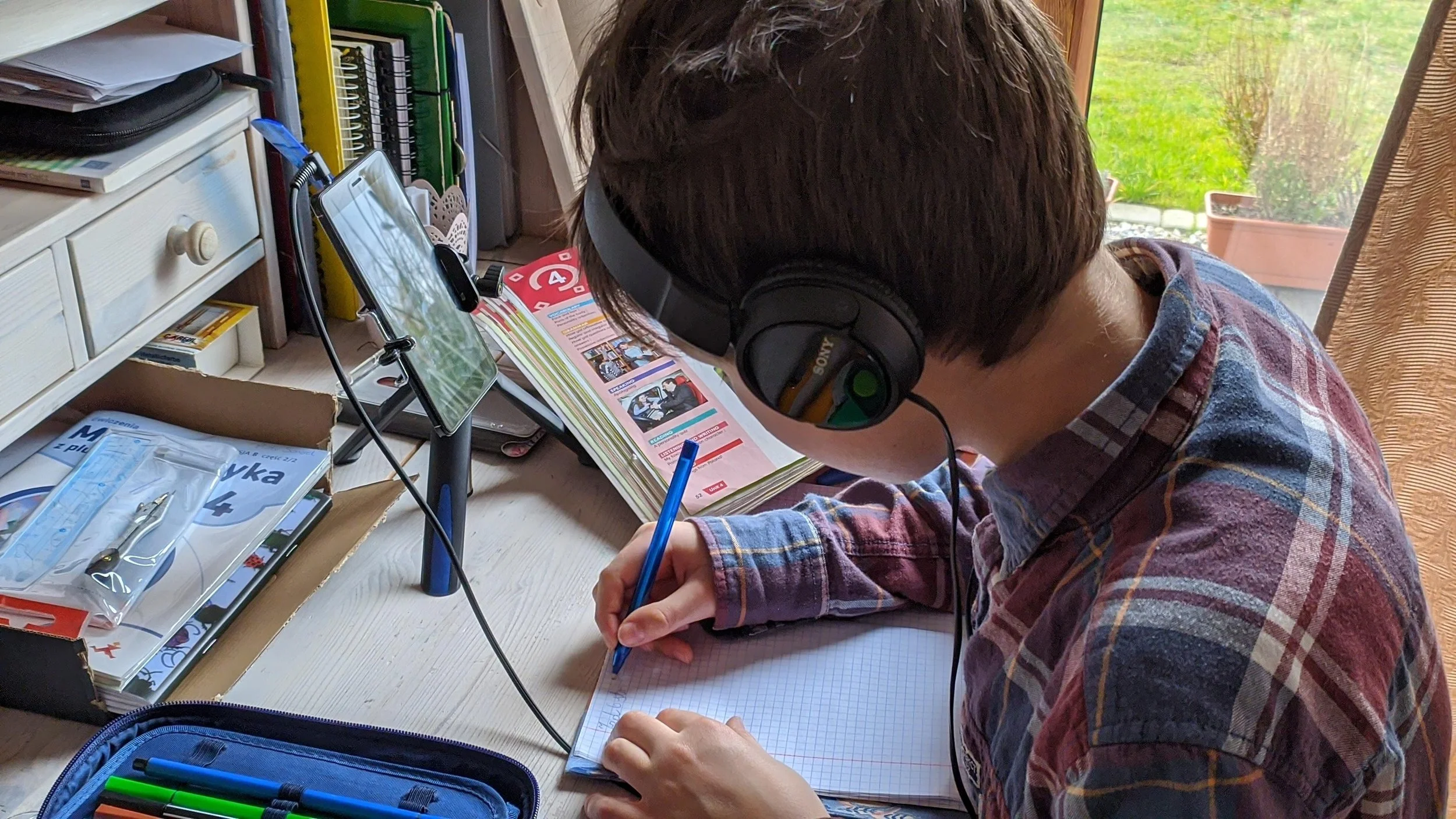
Specific, student-level feedback — comments reference the actual work a student submitted, not a template comment left for the whole class.
Direct teacher relationships — families and students reach the actual teacher, not a general support inbox, for day-to-day questions.
A stated response-time standard — teachers commit to responding within 24 hours, so "personalized" doesn't quietly mean "eventually."
Class sizes capped and a low teacher-to-student ratio are the structural reason all of the above is possible at all.
This is the piece free public virtual schools can't promise at scale: personalization costs more to deliver, which is exactly what tuition is funding.
What Does Personalized Attention Look Like Across Our States?
SVPS families aren't concentrated in one state, so what personalized attention looks like day to day varies a little by cohort. Here's what it looks like in our three highest-enrollment states.
Arizona
In Arizona, personalized attention starts with a funding conversation as much as an academic one — many SVPS families use an Empowerment Scholarship Account (ESA) to cover some or all of tuition, which is often what makes the smaller, more individualized model financially realistic. Arizona's ESA program lets eligible families direct state education funds toward private tuition and related costs instead of a public school.
Arizona SVPS families typically:
Confirm ESA eligibility and current funding amounts before enrolling
Use ESA funds to cover all or part of tuition, reducing or eliminating out-of-pocket cost
Get individualized attendance and engagement tracking from teachers, since ESA compliance depends on documented participation — a byproduct of the same close attention that shapes instruction
Because ESA eligibility is the highest-intent question Arizona families ask before enrolling, review current requirements and application steps on our Arizona page before assuming cost puts personalized attention out of reach.
Tennessee
Tennessee families most often ask whether "personalized" is real or just a word on a website — and the clearest proof is that SVPS teachers can describe a specific student's strengths and struggles from memory, not from a file. Compared to sizable public virtual sections, SVPS's Tennessee cohort stays small enough that a teacher recognizes a student's handwriting, work habits, and typical mistakes, not just their name on a roster.
Tennessee families can expect:
Instruction and feedback shaped around one student's actual work, not a standard rubric applied at scale
Direct teacher communication for schedule changes, extensions, or concerns — no general help desk in between
The same small group of classmates and the same teacher across the semester, so personalization compounds instead of resetting each term
For Tennessee families comparing tuition to a free public option, this is usually what tips the decision.
Texas
Texas families are often comparing SVPS tuition directly against Texas's own free virtual public options, so the personalization question is really a value question: does individualized instruction justify the cost difference? For most SVPS Texas families, the answer comes down to what a teacher actually does with a smaller roster; plan around a student, not just respond to one.
Texas families typically see:
Smaller sections than comparable Texas public virtual classrooms, freeing teachers to adjust pacing per student
A named teacher who is reachable directly and gives specific, work-referencing feedback
A cohort that stays together across the year, so a teacher's understanding of a student deepens rather than restarting each term
What Personalized Attention Actually Looks Like
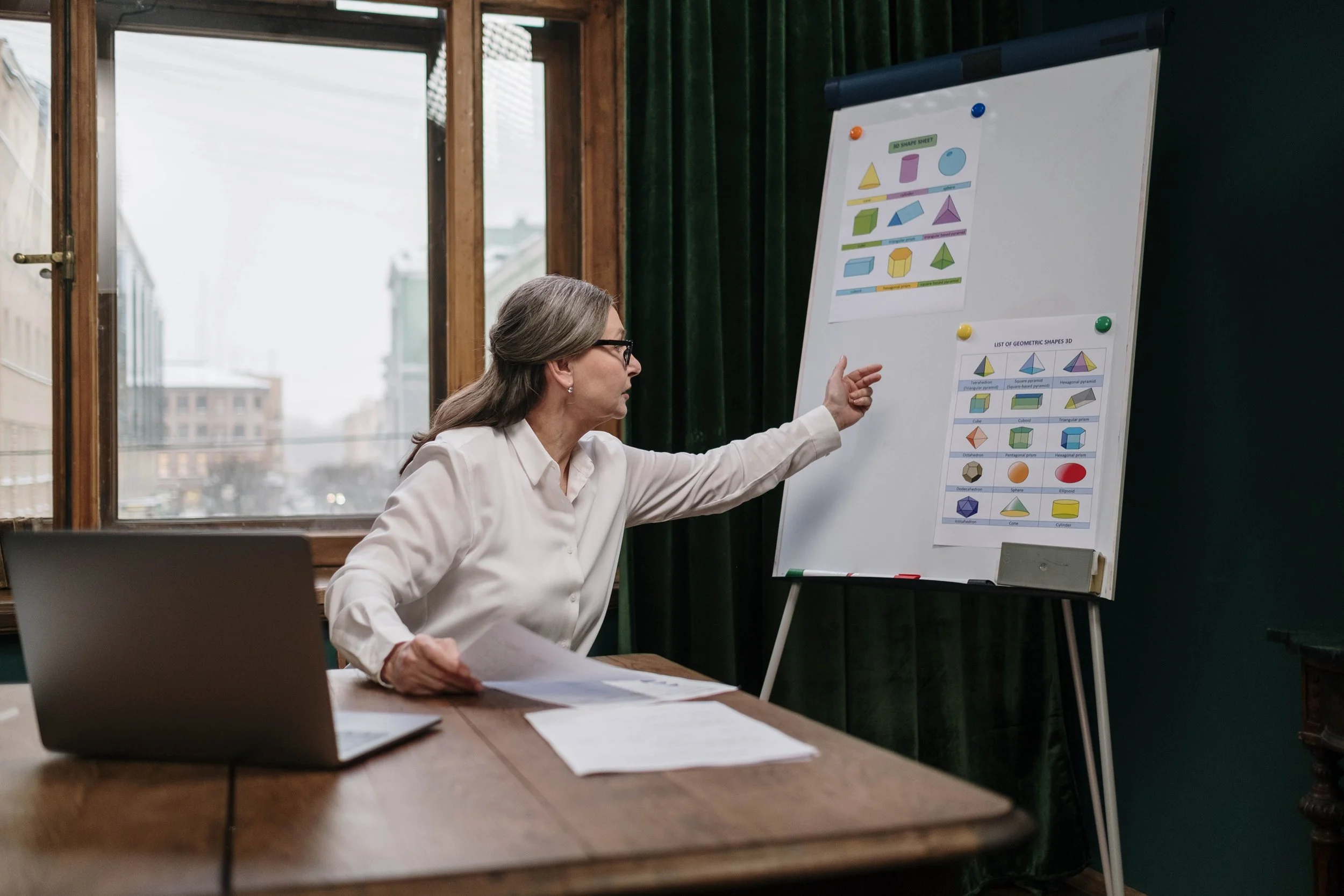
The clearest proof of personalized attention isn't a claim about caring teachers. It's a specific, verifiable example of a teacher adjusting to one student. That's worth more here than general sentiment, since SVPS families are already paying for individual attention and deserve individual evidence of it.
“In a virtual setting, I focus on building relationships and understanding what may be preventing a student from being successful. For example, when I noticed a student was disengaging and falling behind, I reached out to the student and family, worked with the team to identify barriers, and helped create a plan with small goals and consistent support. Watching the student rebuild confidence and make progress was very rewarding.” – SVPS Teacher
That kind of story is what "personalized" is supposed to mean in practice: a specific decision a teacher made because they knew their student, saw where they were struggling, and had the time to work with the family to find their path to success.
Is SVPS the Right Fit for My Family?
SVPS tends to be the right fit for families who've already decided that individualized instruction and direct teacher access are worth paying for, not for families still deciding whether virtual school itself is the right format. A few signs SVPS is a good match:
Your family has priced out or ruled out free public virtual options and wants instruction shaped around your student specifically, in exchange for tuition
You want a named, directly reachable teacher who adjusts pacing and feedback to your student, not a general support channel
(Arizona and Texas families) You qualify for or are actively using ESA funds to offset the cost
You value a consistent, capped cohort where a teacher's understanding of your student builds over the year instead of resetting
SVPS Personalized Attention FAQ

What does "personalized attention" actually mean at SVPS?
It means instruction, pacing, and feedback are shaped around one student's actual work and needs, not a template applied to a roster. Capped class sizes are what make that possible at scale.
How is that different from my state's free public virtual school?
The core difference is capacity for individualization. SVPS caps class sizes and sets a stated response-time standard, which most free public virtual programs can't guarantee for every student.
Can I use an ESA to pay for SVPS in Arizona?
Many Arizona SVPS families do. Eligibility and funding amounts vary by family circumstance — review current requirements on our ESA Funding page before enrolling.
Is financial assistance available outside Arizona's ESA program and TEFA?
Contact our enrollment specialists directly. Options vary by state and change year to year, so the most accurate answer comes from a current conversation, not this post.
Where Can Families Learn More?
Review ESA eligibility and how to apply on our pages for Arizona and Texas
Use the SVPS family FAQ for current operational questions
Continue with related resources in the SVPS Insights library
The Bottom Line on Tuition and Attention
Tuition only makes sense if it buys something a free option can't. At SVPS, that something is instruction that's actually shaped around one student, not a class. Whether you're weighing an Arizona ESA, comparing costs in Tennessee, or sizing up Texas's free alternatives, the question is the same — and so is the answer: personal, on purpose, and small enough to stay that way.
Ready to Join a Private School that’s worth the Price? Enroll Today
Have questions? Our enrollment specialists are ready to help: Call Today!
Follow along for more Insights: Facebook | Instagram | TikTok
Sources
Wang, Wang, and Li, K-12 Online-Learning Ecosystem Study
